







Wearable Tech for Fitness: How Smart Devices Are Changing Workouts in 2025
Introduction
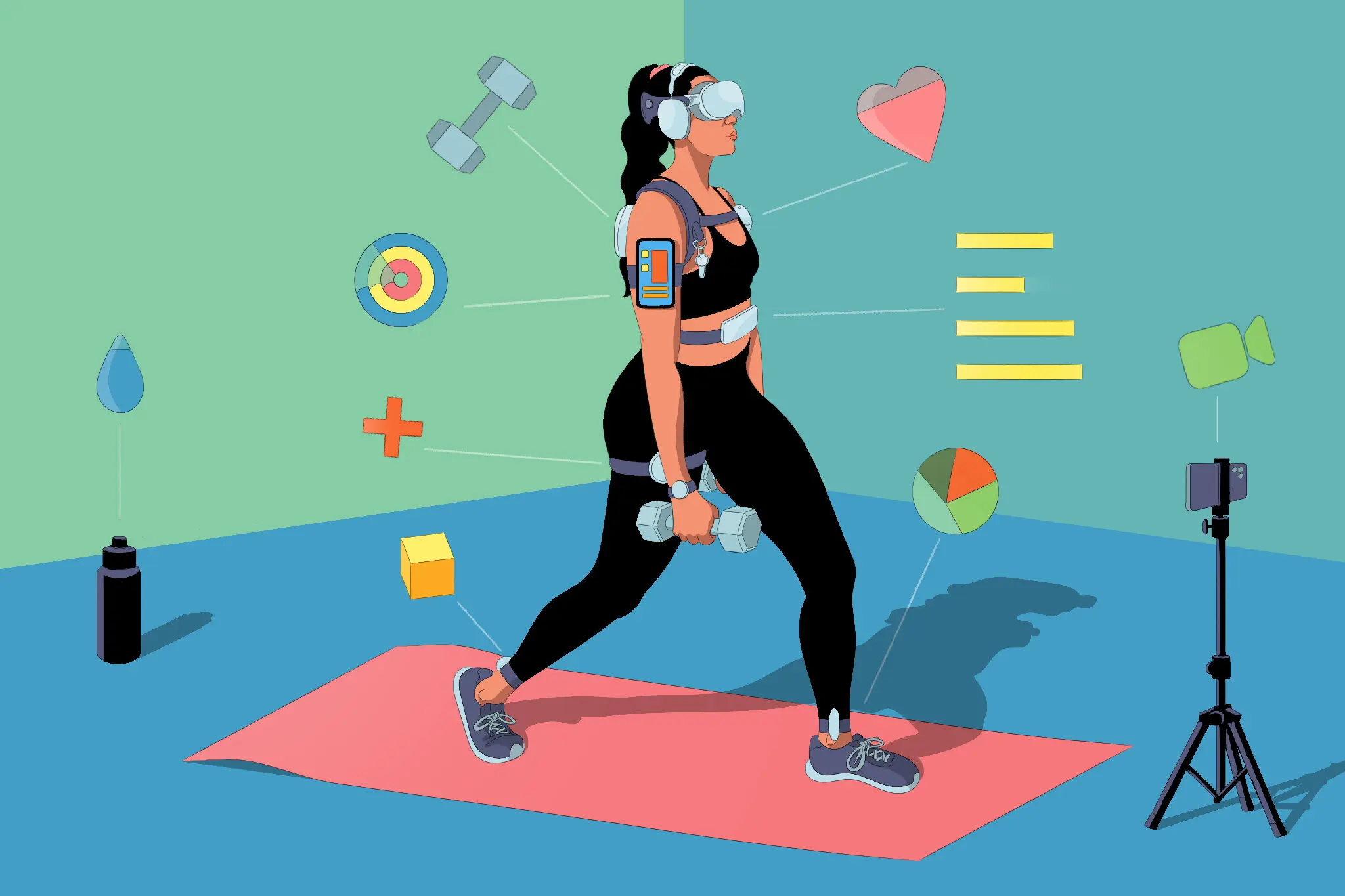
When you think of fitness gear, you might imagine gym shoes, dumbbells or a yoga mat. But today, one of the most powerful fitness tools is a device you wear: smart fitness wearables. These devices — from wristbands and watches to rings and sensor-embedded clothing — are shifting how people track workouts, monitor recovery, and understand their bodies. In 2025, fitness wearables are more advanced, accessible and meaningful than ever before.
This article explores how wearable tech supports fitness, what to look for if you’re buying, key trends for 2025, and how you can get the most benefit from your wearable.
What Are Fitness Wearables?
Fitness wearables are electronic devices you wear on your body (wrist, finger, clothing) that gather data about your physical activity, health metrics and often your recovery or wellness state. They include smartwatches, activity trackers, smart rings, and even garments with embedded sensors.
Unlike older pedometers or simple step-counters, modern wearables can measure heart rate, sleep quality, blood oxygen levels, movement patterns, and more. They often sync with smartphone apps, giving you dashboards of your fitness progress.
Why Wearables Matter for Fitness
Here are several reasons why fitness wearables have grown in importance:
- Objective feedback: You no longer rely purely on guesswork (“I feel like I worked hard”). A wearable can show heart-rate zones, calories burned, and rest levels.
- Motivation & habits: Seeing your daily progress helps build habits — you might aim for a daily steps goal or a weekly active minutes target.
- Recovery and prevention: Good fitness isn’t just about pushing hard. Wearables now help track recovery, sleep, and readiness — which means less risk of overtraining or injury.
- Personalization: Each person is different. Wearables provide data specific to you, so you can tailor your workouts and rest.
- Tracking long-term trends: Over weeks or months, wearables help you spot improvement or when things are stuck — so you can adjust your plan.
What Features to Look For in a Fitness Wearable
If you’re shopping for a fitness wearable in 2025, here are key features and how to judge them:
1. Accurate Heart Rate & Activity Tracking
Heart‐rate monitoring is central to many workouts (especially cardio and HIIT). The device should track your heart rate continuously (not just intermittently) and ideally have good accuracy during movement.
2. Recovery/Readiness Metrics
Look for wearables that do more than “how many steps you took today.” They should estimate your body’s readiness for exercise (based on sleep, stress, prior activity) or indicate when you should rest. Recent articles show this is a big 2025 trend. MorningPool+2techinsights.com+2
3. Comfortable & Practical Wearability
If you dislike charging daily, bulk devices or things you need to remove often, you’ll dislike a wearable. Good battery life, a comfortable strap/ring/clasp, and ease of wear are essential. Wearables that you forget you’re wearing wind up giving the best data. WalkerFit Smart Watch+1
4. Connectivity and App Ecosystem
The wearable isn’t useful in isolation. The companion app should make sense: easy to view data, clear what metrics mean, ability to share or sync with other health/fitness apps (nutrition, workout logs). Integration matters. Editorialge
5. Meaningful Data Insights, Not Just Raw Numbers
A tracker that says “You burned 500 calories” is okay, but better is one that says “Your body is still recovering; today’s best workout mode is light aerobic”. The shift from raw data to actionable insight is part of the 2025 wearable trend. www-prod.techinsights.com+1
6. Value and Longevity
Consider the cost vs features and whether the device will still be useful in 1-2 years. Software updates, durable hardware, and freedom from too many subscriptions are important.
Key Trends in Fitness Wearables in 2025
The wearable fitness market continues to evolve. Here are some of the major trends shaping it this year:
- Smart rings & minimalist wearables: Rather than a bulky watch, smaller devices (rings or subtle bands) are gaining popularity for all‐day wear, better sleep tracking and less intrusion. T3+1
- AI and predictive analytics: Wearables are beginning to use machine learning to predict what your body needs (rest, light workout, recovery), not just report what you did. WalkerFit Smart Watch+1
- Advanced sensors: Beyond steps and heart rate, new wearables are measuring blood oxygen, sleep stages, stress levels, even hydration or muscle recovery markers. axxemotechnology.com
- Smart clothing / embedded sensors: Apparel with sensors built into fabric is becoming real. In the future, your workout shirt could tell you when your form is slipping or muscles are fatigued. truegazette.com
- Holistic wellness (not just fitness): Wearables are becoming wellness devices: tracking mental stress, sleep quality, readiness for workouts, and guiding lifestyle changes, not just counting steps. Editorialge+1
How to Use a Fitness Wearable Effectively
Getting a wearable is only the first step. To truly benefit, use it smartly:
- Define your goals
Are you training for a race, trying to build general fitness, improving recovery, or reducing stress? Make the wearable align with your goal. - Wear it consistently
Data is only useful when there’s consistency. Wear it daily (or as often as relevant) so trends become meaningful. - Check readiness/recovery
On days when your wearable suggests you’re not fully recovered, take it as a cue: maybe do lighter activity, focus on mobility or rest. - Review data, don’t obsess
The watch won’t make you fit — you do. Use the insights as guides, not as judgments. - Use training modes appropriately
Most wearables have modes (running, cycling, gym). Make sure you select them to get accurate data. - Backup your data & sync
Link the wearable with your phone/app and possibly other platforms (nutrition apps, health apps) so you get a fuller picture. - Update the software
Regular updates may improve sensor accuracy, add features, or fix issues. Don’t ignore them. - Balance technology and real-life feedback
If you feel unusually tired or something hurts and the wearable doesn’t flag it yet, trust your body. Devices support you; they don’t replace your awareness.
What to Avoid / Common Mistakes
- Relying solely on the wearable for fitness decisions. It’s a tool, not a replacement for coaching or listening to your body.
- Buying based on flashy specs you’ll never use (e.g., ultra-expensive rugged features when you only do light walking).
- Not accounting for comfort: if the wearable annoys you, you’ll stop wearing it.
- Ignoring privacy/data issues: track what the manufacturer says about your data.
- Focusing only on “how many steps” and ignoring other meaningful metrics like quality of movement or rest.
Why Wearable Fitness Tech Matters for Everyone
Whether you’re a beginner exerciser, a seasoned athlete, or someone just trying to stay healthier, fitness wearables can play a role. They help you stay accountable, provide feedback, and empower your decisions. They bridge the gap between “I should work out” and “Here’s what I did, how my body responded, and what I do next”.
They’re especially useful in today’s fast-paced U.S. lifestyle: you might not always have a trainer or coach by your side, but a wearable gives you constant insights. Over time, the aggregated data can show patterns: “I sleep poorly when I train late”, “My performance dips when I don’t recover two days in a row”, or “I reach peak when I include active rest”.
Summary
Fitness wearables in 2025 have moved beyond being fancy gadgets. They’re smart, increasingly accurate, and meaningful to anyone who wants to track, improve or maintain fitness. They offer real-time data, predictive insights, recovery tracking and personalized feedback.
If you choose one based on your goals, wear it consistently, and use the data wisely, you’ll be well equipped to turn your fitness efforts into measurable progress. The wearable won’t do the workout for you — but it can help you train smarter, recover better, and stay motivated.





Post Comment