





Generative AI: 7 Key Amazing Future of Content Creation
Introduction to Generative AI
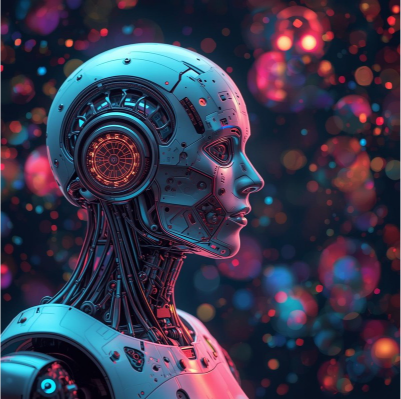
Generative AI is transforming the digital world by enabling machines to create original content, rather than merely analyzing data. It uses advanced machine learning models, especially deep learning and large language models, to generate text, images, videos, music, and even code. Unlike traditional AI systems that follow predefined rules, generative AI learns patterns from vast datasets and produces new, human-like outputs. This innovation is rapidly becoming a core part of content creation across industries, making creativity faster, smarter, and more scalable than ever before.
How Generative AI Works
Generative AI works by training neural networks on massive datasets containing text, visuals, audio, or videos. These models learn linguistic structures, artistic styles, and contextual patterns. Once trained, the AI can generate new content by predicting what comes next based on user input. Technologies such as transformers and diffusion models play a crucial role in producing realistic and high-quality outputs. This ability to mimic human creativity is what sets AI apart from older AI systems.

Evolution of Content Creation
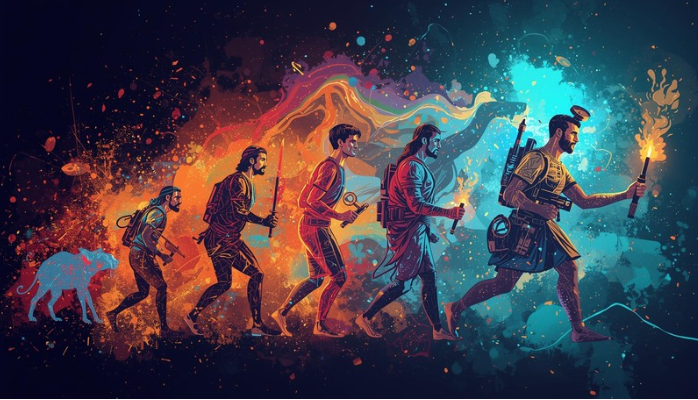
Content creation has evolved from manual writing and design to digital tools and now to AI-assisted workflows. Earlier, creating quality content required significant time, skills, and resources. AI has changed this by automating repetitive tasks and accelerating creative processes. Writers can draft articles faster, designers can generate visuals instantly, and video creators can produce scripts and animations efficiently. This evolution allows creators to focus more on ideas and strategy rather than execution.
Generative AI in Writing and Blogging
Generative AI is widely used in writing blogs, articles, product descriptions, and marketing copy. AI tools assist in generating SEO-friendly content, suggesting keywords, improving grammar, and maintaining a consistent tone. Bloggers and businesses can publish content regularly without compromising quality. AI also assists in content repurposing, turning one idea into multiple formats such as blogs, emails, and social media posts, increasing reach and engagement.

Role of Generative AI in Graphic Design
In graphic design, AI can create images, logos, illustrations, and visual concepts within seconds. Tools like AI image generators help designers explore multiple styles and ideas quickly. This reduces design time and enhances creativity by offering unique visual inspirations. Businesses benefit by producing professional visuals without high costs, making branding and marketing more accessible to small and medium-sized enterprises.
Impact on Video and Multimedia Content
Generative AI is revolutionizing video creation by generating scripts, voiceovers, animations, and even realistic avatars. Content creators can produce explainer videos, advertisements, and social media clips efficiently. AI-powered video tools reduce production complexity and enable personalization at scale. This trend is especially valuable for digital marketing, online education, and entertainment platforms seeking engaging multimedia content.

Benefits of Generative AI for Businesses
Businesses use generative AI to improve efficiency, reduce costs, and enhance customer engagement. AI helps create personalized marketing campaigns, automate content production, and analyze audience preferences. Companies can respond faster to market trends and maintain a strong online presence. AI also supports scalability, allowing businesses to produce large volumes of content without increasing manpower.

SEO and Digital Marketing Advantages
Generative AI plays a major role in search engine optimization and digital marketing. It helps generate keyword-optimized content, meta descriptions, headlines, and ad copies. AI tools analyze search trends and user intent to create content that ranks better on search engines. By improving consistency and relevance, AI enhances visibility, traffic, and conversion rates for websites and online platforms.

Ethical Considerations and Challenges
Despite its advantages, generative AI raises ethical concerns such as content originality, data bias, misinformation, and misuse. Responsible use of AI requires transparency, proper attribution, and human oversight. Organizations must ensure AI-generated content aligns with ethical standards and does not harm users. Addressing these challenges is essential to building trust and sustainable AI adoption in content creation.

Future of Generative AI in Creativity
The future of generative AI looks promising as models become more accurate, context-aware, and human-like. Generative AI will collaborate more closely with humans, acting as a creative assistant rather than a replacement. Advancements in personalization, real-time content generation, and emotional intelligence will further enhance creative experiences. AI is expected to redefine creativity, making content creation more inclusive, innovative, and efficient.
Conclusion
Generative AI is shaping the future of content creation by combining technology with creativity. From writing and design to video production and marketing, it empowers individuals and businesses to create high-quality content at scale. While ethical considerations remain important, responsible use of AI can unlock immense potential. As technology continues to evolve, generative AI will remain a key driver of digital innovation and creative transformation.




Post Comment