







AI Photo Editors in 2025: How Artificial Intelligence Is Transforming Image Editing
Introduction
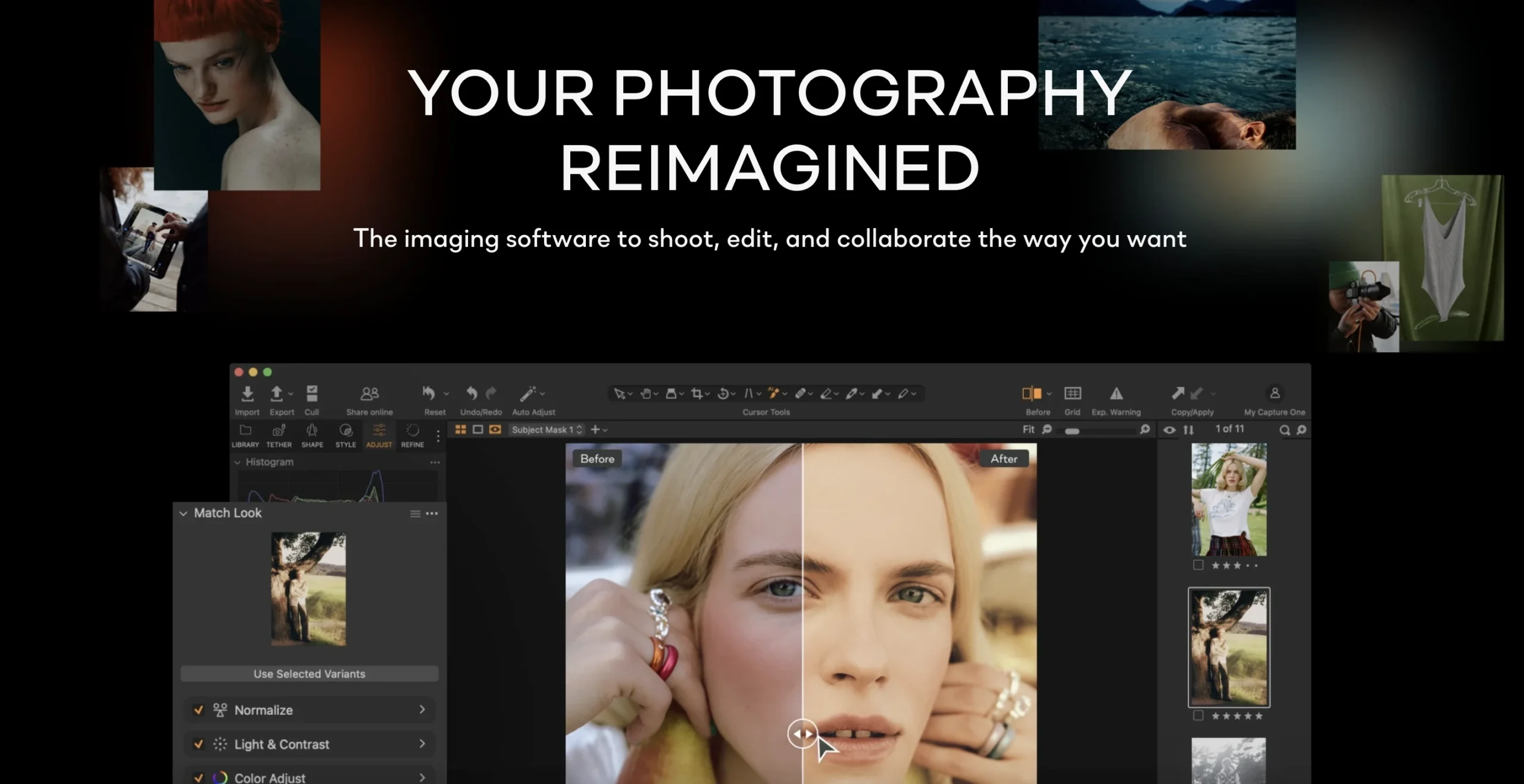
Photo editing has come a long way from manual filters and sliders. In 2025, artificial intelligence (AI) has reshaped how images are enhanced, corrected, and created. AI photo editors now understand what you want from a picture — adjusting lighting, removing unwanted objects, or even adding new backgrounds — all with just a few clicks.
This technology has made professional-quality editing accessible to everyone, from casual social media users to professional designers.
What Are AI Photo Editors?
AI photo editors are tools that use machine learning and image-recognition algorithms to analyze pictures and automatically improve or modify them. Instead of relying on manual adjustments, these editors understand context — faces, lighting, color balance, and composition — and apply precise changes automatically.
They can retouch portraits, enhance landscapes, remove backgrounds, and even generate missing parts of an image.
Why AI Photo Editors Matter in 2025
AI photo editing has exploded in popularity for several key reasons:
- Time efficiency: Automated tools complete in seconds what used to take hours.
- Accessibility: Anyone can create professional-looking visuals without expert knowledge.
- Creativity: Users can explore artistic effects, styles, and compositions that would be difficult manually.
- Content demand: Social media and digital marketing rely heavily on quality visuals; AI helps meet this demand fast.
- Realistic results: AI now produces natural-looking edits that preserve detail and authenticity.
Key Trends in AI Photo Editing
1. Smarter Retouching
AI can automatically enhance portraits — removing blemishes, brightening eyes, and correcting lighting — while keeping a natural look.
2. Intelligent Background Editing
AI background removal and replacement tools now identify fine details like hair and shadows with impressive accuracy, creating realistic composites.
3. Style Adaptation
Editors can apply specific visual styles or filters — from vintage tones to cinematic color grading — with one click.
4. Generative Editing
Modern editors can add missing parts of an image, extend backgrounds, or fill gaps seamlessly using generative algorithms.
5. Cloud and Mobile Integration
Many tools are cloud-based, making editing accessible from phones, tablets, or browsers without powerful hardware.
Benefits of Using AI Photo Editors
- Speed: Automates repetitive editing tasks.
- Ease of use: User-friendly interfaces suitable for beginners.
- Consistency: Ensures a uniform look across multiple photos.
- Creative freedom: Encourages experimentation with styles and layouts.
- Accessibility: Works across devices, often using natural language or simple commands.
Challenges and Limitations
Despite their benefits, AI photo editors have some drawbacks:
- Accuracy: Automatic edits sometimes misinterpret artistic intent.
- Overprocessing: Too much smoothing or color correction can make images look artificial.
- Privacy: Cloud-based tools raise concerns about photo data storage and sharing.
- Subscription costs: Many editors require paid plans for premium features.
- Originality: Relying solely on automation can lead to generic-looking results.
How to Choose the Right AI Photo Editor
When selecting an AI photo editor, consider:
- Quality of results – Does the software produce natural-looking edits?
- Customization options – Can you tweak AI suggestions manually?
- Privacy policy – Does it store your images safely?
- Supported platforms – Is it available for desktop, web, and mobile?
- Price and licensing – Is it a subscription or one-time purchase?
- Workflow integration – Can it export easily to other apps or tools?
Tips for Using AI Photo Editors Effectively
- Start simple: Let the AI make basic improvements before manual tweaks.
- Refine manually: Don’t accept every automatic change; adjust lighting, tone, and details as needed.
- Keep your originals: Always save the unedited version for comparison or recovery.
- Use consistent styles: For branding or social media, stick to one tone or visual identity.
- Stay up-to-date: AI models improve constantly — update your software regularly.
- Be cautious with privacy: Avoid uploading sensitive photos to unverified platforms.
The Future of AI Photo Editing
The next few years will likely bring even more intelligent editing systems. Expect tools that:
- Understand personal preferences and editing history to suggest consistent looks.
- Offer real-time, voice-based editing commands.
- Integrate with AR and VR environments for immersive photo manipulation.
- Combine photography and design by generating creative layouts automatically.
As AI becomes more context-aware, photo editing will continue moving from manual adjustment to creative collaboration between human and machine.
Conclusion
AI photo editors are transforming how people edit and create images. They make the process faster, easier, and more creative, helping users achieve professional results with minimal effort.
While it’s important to use them responsibly and refine edits manually when necessary, these tools represent the future of digital creativity. For photographers, content creators, and everyday users alike, AI photo editors are not just convenient — they’re essential for modern visual storytelling.




Post Comment