







Virtual Reality (VR): A Complete Guide to the Future of Digital Experience

Introduction
Imagine stepping into a world that looks and feels completely real — but isn’t. You can walk around, explore, touch objects, and interact with people or environments that exist only in the digital space. That’s the magic of Virtual Reality (VR).
Virtual Reality is one of the most exciting technologies of the 21st century. It allows users to experience computer-generated environments as if they were real. Whether it’s gaming, education, healthcare, or training, VR is transforming the way we see and interact with the world around us.
This article will explain what VR is, how it works, where it’s used, and what the future holds — using simple and clear language.
What Is Virtual Reality?
Virtual Reality (VR) is a technology that creates a simulated environment using computers. It immerses users in a 3D digital world that they can interact with as if it were real.
Unlike traditional screens or videos, VR completely surrounds the user’s senses — especially sight and sound — to make them feel like they are “inside” the virtual environment.
For example:
- When you wear a VR headset and look around, the view changes just like in real life.
- You can walk through a virtual museum, play games in 3D worlds, or even take a spacewalk — all from your living room.
In short, Virtual Reality replaces your real environment with a digital one, giving you an immersive and interactive experience.
How Does Virtual Reality Work?
Virtual Reality combines several technologies — including computer graphics, sensors, motion tracking, and sound — to create a believable and interactive digital environment.
Here’s how it works step-by-step:
1. The Headset
The most important device in VR is the head-mounted display (HMD) or VR headset.
This headset covers your eyes completely and displays two slightly different images — one for each eye — to create a 3D effect.
Popular VR headsets include:
- Meta Quest (formerly Oculus Quest)
- Sony PlayStation VR
- HTC Vive
- Apple Vision Pro
2. Motion Tracking
VR systems use sensors to track your head and body movements. When you look around or move your head, the scene inside the headset adjusts instantly.
This makes the experience feel realistic and immersive.
There are two main types of tracking:
- Rotational Tracking: Detects where you are looking.
- Positional Tracking: Detects where you are moving in space.
3. Controllers and Input Devices
Most VR systems include hand controllers that let you interact with virtual objects.
Some advanced systems use gloves, suits, or full-body trackers for more realistic movements.
For example:
- You can grab objects, draw, or even play sports in VR.
- In games, you can hold a sword, shoot arrows, or drive cars — all through motion controllers.
4. Sound and Haptics
Sound plays a huge role in VR. Headphones with 3D spatial audio make sounds come from different directions — just like in real life.
Some systems also include haptic feedback, which gives you physical sensations, like vibrations or pressure, when you touch something in the virtual world.
5. Software and Content
Behind every VR experience is software that creates and manages the 3D world.
This includes:
- Game engines like Unity and Unreal Engine
- VR applications for education, medicine, or architecture
- Streaming platforms for watching VR videos
Components of a Virtual Reality System
A VR system includes several essential components that work together to create immersion.
- Headset (HMD): The display device that covers the user’s eyes and presents 3D visuals.
- Sensors: Devices that detect head, hand, and body movements.
- Controllers: Tools for user interaction, such as holding or moving virtual objects.
- Computer or Console: Processes graphics and runs VR applications.
- Software/Application: The virtual environment or simulation itself.
- Audio System: Provides realistic 3D sound to enhance immersion.
Types of Virtual Reality
VR can be classified into different types based on its level of immersion and technology.
1. Non-Immersive VR
This is the simplest form of VR. You interact with a virtual environment using a regular screen, mouse, or keyboard — but you are not fully surrounded by it.
Example:
Video games or simulations on a computer where you can control 3D environments.
2. Semi-Immersive VR
This type gives you a partial VR experience. You may use large screens or projections to feel like you’re part of a 3D environment.
Example:
Flight simulators used for pilot training.
3. Fully Immersive VR
This is the most advanced and realistic type of VR. You wear a headset and sometimes motion sensors that track your entire body.
You can walk, move, and interact naturally with the virtual world.
Example:
VR gaming with Meta Quest or HTC Vive.
Applications of Virtual Reality
Virtual Reality is more than just gaming — it’s changing industries and the way people work, learn, and experience the world.
1. Gaming and Entertainment
VR has revolutionized gaming by putting players directly inside the game.
Instead of controlling a character on a screen, you become the character.
Popular VR games include Beat Saber, Half-Life: Alyx, and Superhot VR.
In entertainment, VR allows you to attend concerts, explore 3D movies, or visit virtual museums.
2. Education and Training
VR is a powerful tool for education because it lets students learn by doing.
For example:
- Medical students can practice surgeries in a virtual lab.
- History students can “visit” ancient civilizations.
- Pilots and soldiers use VR simulators for safe, realistic training.
This hands-on learning improves understanding and retention.
3. Healthcare
In healthcare, VR is used for therapy, pain management, and medical training.
Doctors use VR simulations to practice surgeries before operating on real patients.
It also helps treat conditions like anxiety, PTSD, and phobias by exposing patients to controlled virtual environments.
4. Architecture and Real Estate
Architects and designers use VR to visualize buildings before construction.
Clients can take virtual tours of homes and offices — walking through rooms and seeing every detail before the real structure exists.
5. Tourism
VR allows people to explore places they can’t visit physically — like space, the ocean, or historical sites.
Virtual tourism is growing rapidly as it offers immersive travel experiences from home.
6. Military and Defense
The military uses VR for training soldiers in combat, flight, and tactical missions.
This helps them prepare for real-world challenges in a safe, controlled setting.
7. Retail and E-Commerce
Retailers use VR to enhance the shopping experience.
Customers can “try on” clothes, visualize furniture in their homes, or explore virtual stores before buying.
Advantages of Virtual Reality
- Immersive Experience: VR provides complete engagement, making learning or entertainment more effective.
- Safe Training: It allows people to practice dangerous or expensive tasks in a risk-free environment.
- Better Learning: Hands-on learning improves memory and understanding.
- Accessibility: VR can bring distant experiences (like travel or education) to people anywhere in the world.
- Innovation: It drives creativity and innovation in gaming, business, and education.
Challenges of Virtual Reality
While VR has great potential, it also faces several challenges.
- High Cost: Advanced headsets and systems can be expensive.
- Motion Sickness: Some users feel dizzy or nauseous during VR experiences.
- Technical Limitations: High-quality VR needs powerful hardware and fast processing.
- Limited Content: Not all industries have enough VR applications or experiences yet.
- Social Isolation: Spending too much time in virtual worlds can reduce real-life social interactions.
The Future of Virtual Reality
The future of VR looks bright and full of innovation. As technology improves, VR will become more affordable, comfortable, and realistic.
Here are some expected trends:
- Wireless and Lightweight Headsets: Future devices will be smaller and easier to use.
- Improved Graphics and Realism: Advanced displays will make VR worlds look almost identical to reality.
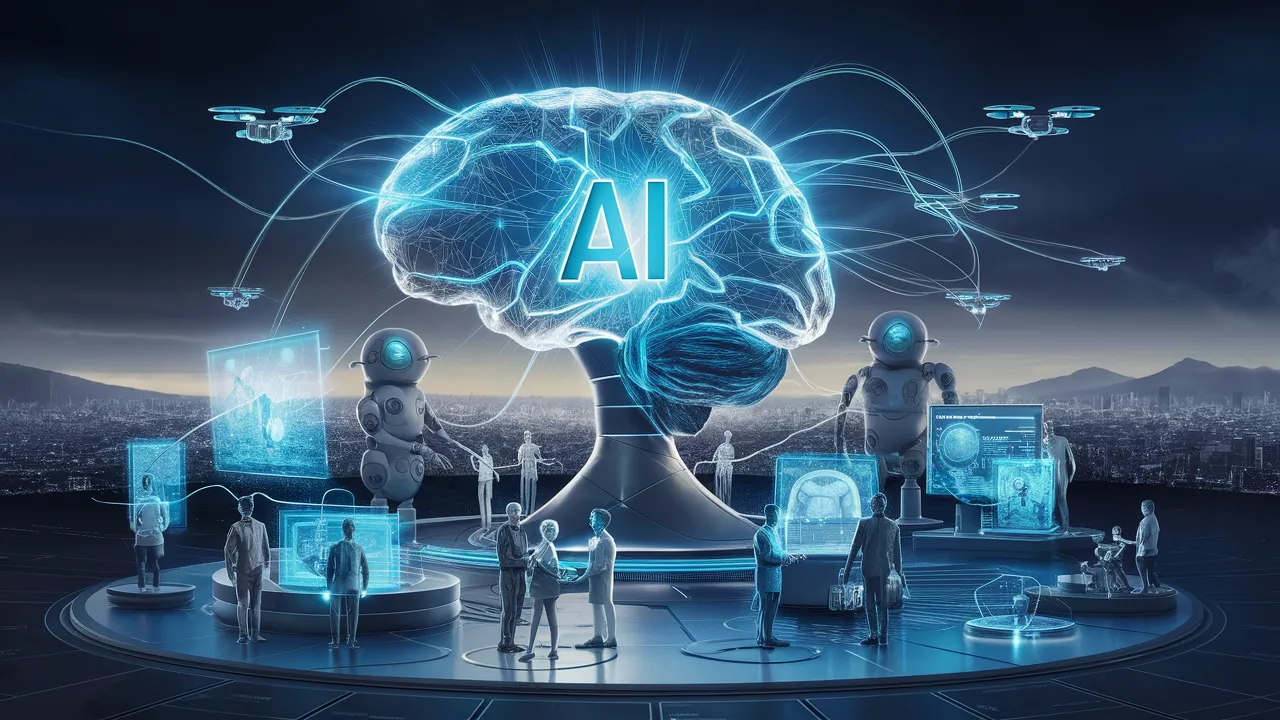
- AI Integration: Artificial Intelligence will make VR environments more responsive and intelligent.
- Mixed Reality (MR): A blend of VR and Augmented Reality (AR) that combines digital and real-world experiences.
- Social VR Spaces: Virtual worlds where people can meet, work, and socialize in 3D environments.
In the coming years, VR will not just be for gaming — it will become part of our everyday life, from education and healthcare to communication and work.
Conclusion
Virtual Reality is one of the most exciting and transformative technologies of our time. It allows people to experience worlds beyond physical limits — whether for fun, learning, or professional use.
Through headsets, sensors, and advanced software, VR makes digital environments feel real. It is already reshaping industries like gaming, education, healthcare, and design, and its impact will continue to grow.
While challenges such as cost and motion sickness remain, the potential of VR is limitless. As technology advances, we can expect more realistic, affordable, and meaningful virtual experiences that bridge the gap between imagination and reality.
Virtual Reality is not just the future — it’s already here, changing the way we see and experience the world.




Post Comment